Pre-Birth Shopping Guide
We've grouped the items you'll need most before your baby arrives. The goal is a complete starter set — you don't have to buy everything at once.
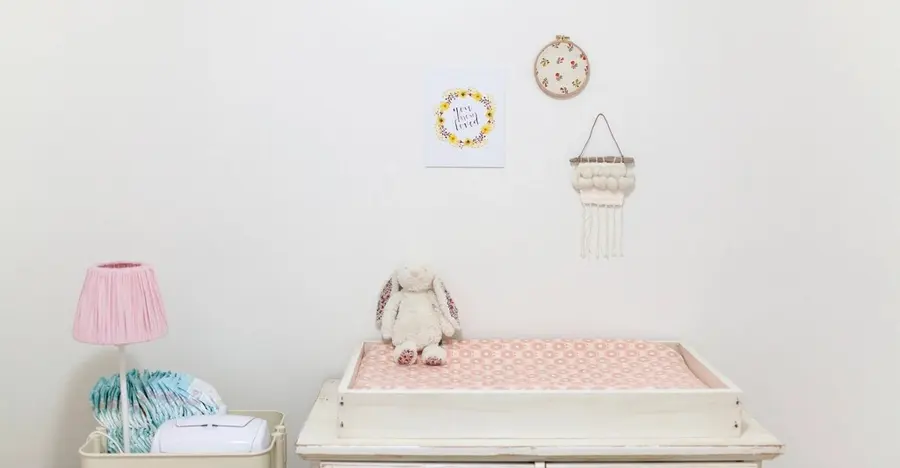
Tip: Buy few newborn-size clothes (babies grow fast), don't overstock diapers and wipes early, and think about the season. If buying second-hand, try to get safety-critical items (car seat, mattress) new or with a known history.
How much do you actually need?
How Many Diapers a Day?
| Stage | Per day | Per month |
|---|---|---|
| Newborn (0-1 mo) | 8-12 | ~300 |
| 1-5 months | 8-10 | ~270 |
| 5-12 months | 6-8 | ~210 |
| After 1 year | 4-6 | ~150 |
These are approximate; every baby is different. The newborn stage is the most intense.
Which Size, How Much to Buy?
| Size | Weight | Approx. duration | Suggestion |
|---|---|---|---|
| 1 (Newborn) | 2-5 kg | ~3-4 weeks | 1-2 packs |
| 2 (Mini) | 3-6 kg | ~1-2 months | 2-3 packs |
| 3 (Midi) | 4-9 kg | ~3-5 months | A bulk box makes sense |
| 4 (Maxi) | 7-18 kg | long term | Bulk box when the time comes |
| 5 (Junior) | 11-25 kg | 1 year and up | As needed |
Babies grow fast; buy few of the smaller sizes so you're not left with leftovers. Sizes 3 (Midi) and 4 (Maxi) are used most.
How Long Will You Use Each Item?
| Item | Usage period | Note |
|---|---|---|
| Bottle | 0 mo – until weaning | Teat moves to faster flow as baby grows; transition cup after ~1 year |
| Pacifier | 0 mo – ~1-2 years | When to stop varies by child and family |
| Baby bathtub | 0-6 months | Bigger tub/shower once sitting (~6 mo) |
| Crib / rocking crib | 0-5/6 months | Move to a cot once baby rolls/pushes up |
| Cot | ~0-3 years | Used for a long time after the bassinet |
| Car seat (group 0+) | 0 – ~13 kg / ~15 mo | Then the next group seat |
| Stroller | 0-6 mo recline, then upright | Upright until ~3 years / weight limit |
| Carrier | 0 mo – ~2 years | By weight limit; ergonomic models last longer |
| Bouncer / swing | 0-6 months | Mind the weight/sitting limit (not for sleep) |
| Sleep sack | by size (~a few months each) | New one as baby grows |
Approximate durations; they vary with use and how fast baby grows.
Which Clothing Size Fits Which Age?
| Size (height) | Approx. age |
|---|---|
| 50-56 cm (Newborn) | 0-1 mo (~3-4 weeks) |
| 62 cm | 1-3 months |
| 68 cm | 3-6 months |
| 74 cm | 6-9 months |
| 80 cm | 9-12 months |
| 86 cm | 12-18 months |
Newborn/0 size lasts very briefly — so buy few. Height-based sizes are more reliable.
Stage by stage
Newborn · 0-1 mo
- Most of the day is sleep and feeding, 8-12 diapers a day.
- Newborn/0 size clothes start to get small in ~3-4 weeks.
- Focus: sleep routine, feeding, cord care and breastfeeding.
More Awake · 1-3 mo
- Smiling, responding to sounds and longer awake periods begin.
- Move to 62 cm clothes; newborn clothes retire.
- Bouncer, play mat and hanging toys start to be useful.
Discovery · 3-6 mo
- Holds head up, reaches for objects, brings them to the mouth (teethers help).
- Move to 68 cm; 8-10 diapers a day.
- Upright stroller position and the carrier get more use.
Sitting, Starting Solids · 6-9 mo
- Unsupported sitting and solids begin — time for a high chair, spoon and bib.
- Move to 74 cm; 6-8 diapers a day.
- As crawling nears, consider home safety (corner/outlet covers).
On the Move · 9-12 mo
- Crawling, pulling to stand and first steps may happen in this period.
- Move to 80 cm; finger foods begin.
- Real shoes come once walking starts; socks/booties are enough first.
Shopping list by room
Sleep
- Crib or cot — CE/safety approved; slat gap 4.5-6.5 cm. A rocking crib is handy for the early months.
- Firm, well-fitting mattress — Don't use a soft/old mattress; no gaps at the edges (safe sleep).
- Waterproof mattress protector — Protects the mattress; at least 1-2.
- Fitted sheets — 2-3; they get changed often.
- Sleep sack or swaddle — Season-appropriate weight. Preferred over loose blankets (safe sleep).
- White noise / night light — Eases the transition to sleep (optional).
- Bedside/co-sleeper crib (optional) — A crib next to your bed makes night feeding easier in the early months.
Feeding
- Nursing pillow — Supports your back and arm; makes breastfeeding much more comfortable.
- Breast pads — For leaks; disposable or washable.
- Nipple cream (lanolin) — Soothes cracks in the first days.
- 2-3 newborn bottles — With slow-flow (0+) teats. Anti-colic can be preferred.
- Bottle brush and sterilizer — Hygiene matters early; steam/microwave sterilizers are practical.
- Breast pump (optional) — If you plan to return to work or build a milk stash.
- Milk storage bags (optional) — For freezing expressed milk.
Diapering
- Newborn diapers (1-2 packs) — Don't overstock; baby grows fast and may jump a size.
- Wet wipes (fragrance-free) — Choose newborn-safe, alcohol-free/fragrance-free ones.
- Diaper rash cream — Zinc oxide ones are protective.
- Changing mat — Wipeable surface; on a bed/dresser.
- Muslin cloths — Very handy during changes and general use (4-6).
- Lidded trash can — For odor control.
- Sterile gauze for cord care — To keep the cord area clean until it falls off.
Clothing
- Snap bodysuits 6-8 — Bottom snaps make diaper changes easier.
- Rompers 4-6 — Front-snap styles are easier for newborns.
- Socks and booties 4-6 pairs — Tiny socks go missing; keep spares.
- Scratch mittens — So baby doesn't scratch their face.
- Hat / beanie — Keeps a newborn's head warm; thin or thick by season.
- Cardigan or coat (seasonal) — Outerwear if winter; a thin cardigan is enough in summer.
- Going-home outfit — Season-appropriate, easy to put on.
Bath & Care
- Baby bathtub — Models with a seat/hammock are safer for newborns.
- Hooded towels x2 — Keep baby warm after the bath.
- Tear-free baby wash/shampoo — Choose a suitable pH, mild scent.
- Soft sponge or cloth — For gentle cleaning.
- Baby nail clippers / file — Should be small with rounded tips.
- Soft comb and brush — Also helps with cradle cap.
- Nasal aspirator and saline — Relieves a stuffy nose.
- Digital thermometer — Fast and reliable; essential for tracking fever.
Out & About
- Baby car seat (group 0/0+) — REQUIRED by law and for safety; needed to leave the hospital. Don't buy second-hand with unknown crash history.
- Stroller/pram — Recline (newborn-suitable) and foldable models are practical.
- Ergonomic carrier — Frees your hands; check waist/hip support.
- Diaper bag — Compartmentalized ones with a changing mat are handy.
- Rain cover and sun shade — Accessories that fit the stroller.
Safety & Health
- Baby monitor — Audio/video tracking if baby sleeps in a separate room.
- Digital thermometer — Always keep one at home.
- Saline and sterile cotton — For nose and eye cleaning.
- Room thermometer / humidifier — 20-22°C is ideal; a humidifier helps in dry air.
- Small first-aid/care kit — Baby scissors, gauze and a digital thermometer together.
For Mom
- Nursing bras x2-3 — Comfortable, front-opening styles.
- Breast pads — Keep spares for leaks.
- Postpartum maternity pads — Needed for the first weeks.
- Large / disposable underwear — Comfortable postpartum.
- Comfortable, front-opening clothes — Make breastfeeding easier.
Nice-to-Have Extras
- Bouncer or swing — Handy for safely setting baby down (not for sleep).
- Play mat — For tummy time in the coming months.
- Pacifier (optional) — Best after breastfeeding is established (usually 3-4 weeks).
- White noise / music box — May help with the transition to sleep.
- Photo / keepsake book — A lovely touch to capture the first moments.
No Rush for These
- High chair — Not needed until solids (around 6 months).
- Weaning bowls / spoons — Buy around 6 months.
- Shoes — No real shoes until walking; socks/booties are enough.
- Baby walker — Experts advise against them; considered risky for development and safety.
- Lots of newborn-size clothes — Baby grows fast; extras stay unused.
Practical notes
- When planning the list, think about the season: a winter baby needs warm outerwear, a summer baby needs light layers.
- Leave items likely to be gifts (clothes, toys, blankets) for last; they can pile up.
- Never trade safety for savings on safety-critical items (car seat, crib/mattress).
Related articles
Birth Interventions: When and How?
Birth doesn't always go by the book—and that's not a problem. Sometimes adding a little support to the process (easing pain, starting labor, helping the baby in the…
Read article
Birth Packages and Insurance Guide
"Where should I give birth, and what will it cost?" — a calculation every mom-to-be in Turkey eventually runs. This guide lays out all three options: public…
Read article
Hospital Bag Checklist
This is the exact hospital bag checklist from the Momly app — for mom, baby, documents and your birth partner. In the app you can tick items off one by one and add…
Read articleContinue your journey with Momly
Track your week, save what matters and keep every guide in your pocket — on iPhone.
Browse more in Birth Preparation