Maternal Vaccines in Pregnancy
A few vaccines given during pregnancy are among the most powerful protective tools you have. They work for two people at once: you and the baby you're carrying.
Why Get Vaccinated in Pregnancy?
Pregnancy naturally shifts your immune system a little, which can make some infections hit harder while you're expecting. Vaccines given at the right time strengthen you against those infections.
Here's the beautiful part: when you're vaccinated, the protective antibodies your body makes cross the placenta to your baby. That way your baby is born already protected during those first months, before they're old enough to start their own vaccines.
In short
- Protects the mother from a more severe course of illness.
- Antibodies cross the placenta and protect the newborn in the early months.
- Which vaccines, and at which weeks, depends on your country and your doctor.
Whooping Cough (Tdap) — The Cornerstone
The whooping cough vaccine (usually Tdap, which covers pertussis, tetanus, and diphtheria together) is one of the vaccines most often discussed in pregnancy. Whooping cough is dangerous, even potentially life-threatening, in very young babies, and infants can't start their own whooping cough vaccines until they're a few months old.
When you're vaccinated in pregnancy, the antibodies you make pass to your baby and protect them during exactly those most vulnerable first weeks. That's why this vaccine is considered again in every pregnancy in many countries; your doctor decides if and when it's right for you — even if you've been vaccinated before — because the goal is to pass fresh antibodies to this baby.
Timing
For the strongest protection, a specific window is targeted, but that window differs by country. In the US, for example, it's usually given in the third trimester (around 27–36 weeks), while in the UK it may be offered from around 16 weeks.
- Considered again in each pregnancy in many countries; your doctor decides.
- May be considered again even if you've been vaccinated before; your doctor decides.
- Your doctor and your national schedule set the exact week.
Flu (Inactivated Influenza)
Flu can be more severe than expected during pregnancy; being pregnant raises the risk of flu-related complications. That's why the flu vaccine often comes up for expectant mothers; talk with your doctor about whether it's right for you.
The flu vaccine used in pregnancy is the inactivated (killed-virus) shot, and it's considered safe in any trimester. It's usually given just before or throughout flu season.
Important note
- The inactivated flu shot given by injection is appropriate in pregnancy.
- The live nasal-spray flu vaccine is not recommended in pregnancy (see below).
- The antibodies you make can also protect your baby for a while.
RSV (Respiratory Syncytial Virus)
RSV is a common virus that can cause respiratory illnesses like bronchiolitis and pneumonia in babies, and it's a leading reason young infants are hospitalized. This is a newer area of vaccination.
There are two different ways to protect a baby from RSV, and usually only one of them is used: either you get a maternal RSV vaccine during a seasonal window late in pregnancy (where offered, for example around 32–36 weeks), or the baby receives an RSV antibody (nirsevimab) after birth.
Varies a lot by country
- Maternal vaccine OR antibody for the baby — one or the other, not both.
- Which option is offered differs greatly by country and by year.
- Talk with your doctor about which path is right for you.
COVID-19
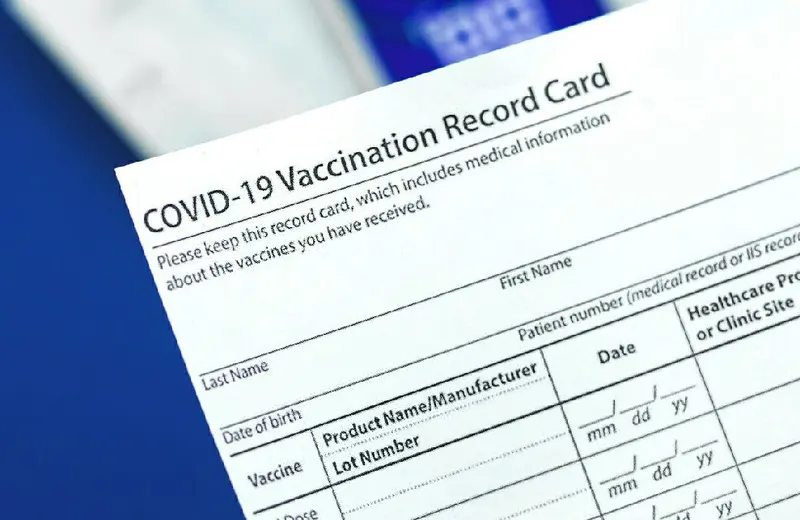
Because COVID-19 can be more severe in pregnancy, the COVID-19 vaccine is offered as an option to expectant mothers in many countries; your doctor decides whether and when it's right for you.
The vaccine protects you from severe illness and can also help pass antibodies to your baby. Current recommendations and which dose is appropriate may change by country and over time.
Vaccines to Avoid During Pregnancy
Live (attenuated) vaccines are generally not recommended during pregnancy. Because these vaccines contain weakened live organisms, they are deferred during pregnancy out of theoretical caution. Ideally you get these before pregnancy or after birth.
If you're planning a pregnancy, it's a good idea to check your immunity beforehand. For example, if you're not immune to rubella, being vaccinated before conceiving and then waiting the recommended interval provides protection.
Live vaccines usually not recommended in pregnancy
- MMR (measles-mumps-rubella).
- Varicella (chickenpox).
- The live attenuated nasal-spray flu vaccine.
Travel Vaccines
If you're planning international travel during pregnancy, talk through the necessary vaccines ahead of time with a doctor or a travel health clinic. Some travel vaccines are fine in pregnancy, while others (especially live vaccines) are generally not recommended.
The decision is made individually, based on the risks of your destination, how far along you are, and the type of vaccine. That's why sharing your travel plans early enough lets you decide on the safest option together.
Safety and Side Effects
The side effects of the vaccines recommended in pregnancy are usually mild and short-lived. The most common are soreness or tenderness in the arm, a low fever, fatigue, or a headache, and these pass within a few days.
Serious reactions are rare. These vaccines have been studied extensively in pregnant people, and the reason they're recommended is that the protection they provide is far more valuable than the possible minor discomfort.
To feel your best
- Drink plenty of water and rest after the vaccine.
- Contact your doctor if you have a high fever, severe symptoms, or any worry.
- You can ask your doctor whether more than one vaccine on the same day is right for you.
Important: Countries Differ
Which vaccines are offered, their brand names, and the exact week they're given vary from country to country. The week ranges and examples in this guide are for general information only; the schedule that applies to you may be different depending on where you live.
Always follow your own national immunization program and your doctor's advice. For example, official sources like the CDC in the US, the NHS in the UK, or the Ministry of Health in your country set the current schedule specific to your country.
Move Forward Together With Your Doctor
You don't have to make vaccine decisions on your own. Your doctor knows best which vaccines are right for you and your baby, which week they should be given, and what to keep in mind in your particular situation.
This guide is an informative starting point; it doesn't replace medical advice. Note down any questions on your mind and talk them through with your doctor at your next appointment. With the right information and the right timing, you can protect both yourself and your baby with confidence.
Related articles

Moms' Most Common Questions and Worries
The questions you grab your phone and type into a search engine at 3 a.m.... This section is exactly for those. We've gathered the questions moms ask most in…
Read article
Mental Health During Pregnancy and After Birth
Everyone tells you pregnancy is "the happiest time of your life" — and often it truly is. But anxiety, tension, tearfulness, and thoughts like "am I really going to…
Read article
Pregnancy Complications: What Happens After a Positive Screen?
"Your test showed something" is not a sentence anyone wants to hear. But let's put this up front: the whole point of prenatal screening is to catch problems while…
Read articleContinue your journey with Momly
Track your week, save what matters and keep every guide in your pocket — on iPhone.
Browse more in Pregnancy Health